First Time at a Food Bank? What to Expect and How to Prepare
Visiting a food bank for the first time can feel overwhelming, but it doesn’t have to be. Food banks are welcoming places, run by caring staff and volunteers who understand that anyone can face food insecurity at some point. Whether you’ve lost a job, are recovering from an illness, or simply need extra support this month, food banks are here for you.
This guide walks you through what to expect before, during, and after your first visit, with real-life examples to help you feel confident and prepared.
Before You Go: Preparation Steps
1. Research Local Food Banks
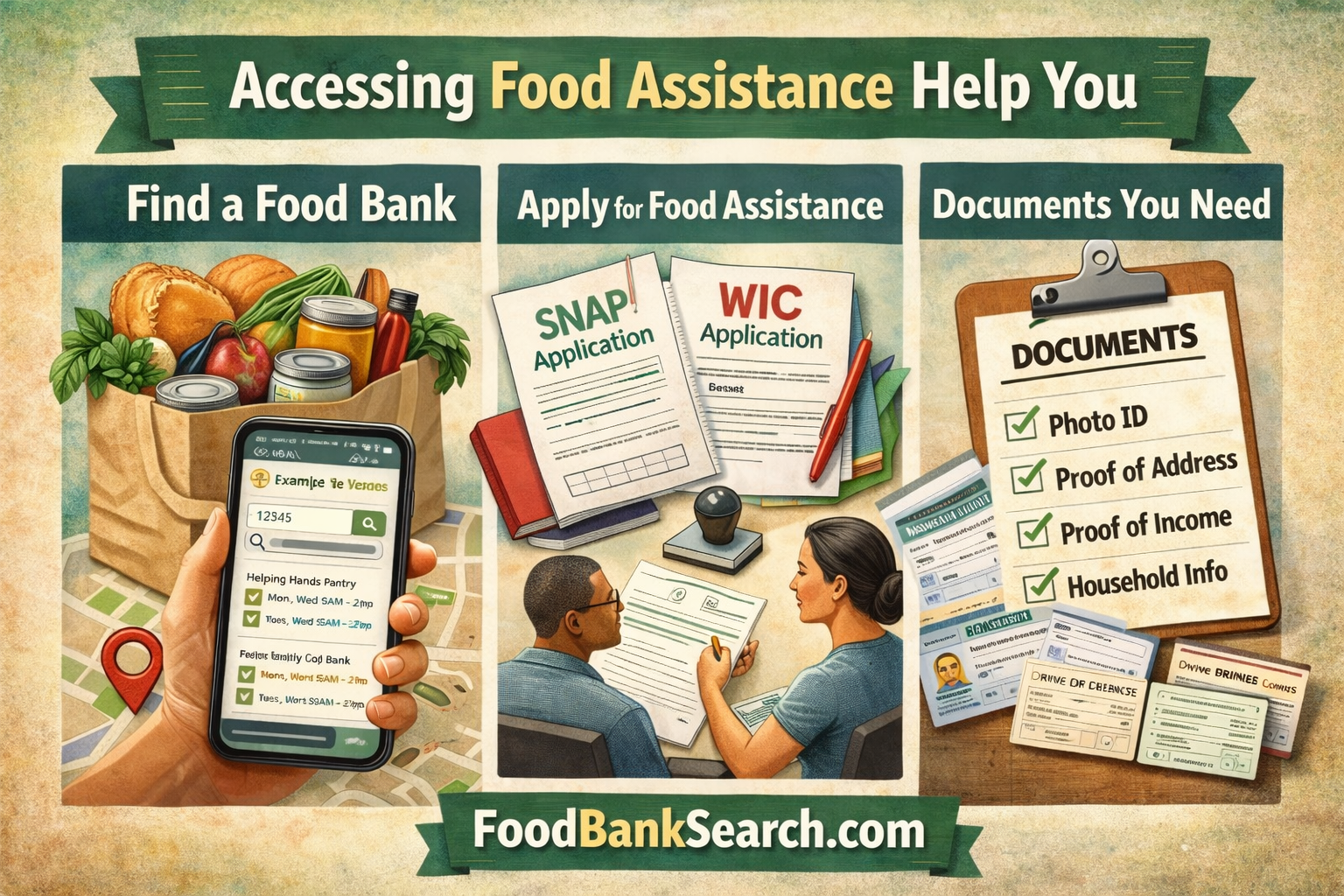
Use a food bank locator tool (such as Feeding America’s “Find Your Local Food Bank” ) to find a pantry near you. Check:
- Operating hours: Some food banks distribute only on certain days.
- Eligibility rules: Some require proof of residence within a county or zip code.
- Distribution type: Pre-packed boxes, shop-style pantries, or drive-throughs.
👉 Scenario: Maria, a single mom in Texas, checked her food bank’s website and learned it required proof of residence and used drive-through distribution. She brought her car and a utility bill to be ready.
2. What to Bring
- Valid ID (driver’s license, state ID, etc.)
- Proof of Address (utility bill, lease, or official mail)
- Income Documentation (only if required)
- Reusable Bags or Boxes
- Cooler/Ice Packs (optional for perishables)
👉 Scenario: James in Ohio forgot his proof of address. The pantry still served him that day, but he was asked to bring a utility bill next time.
3. Plan Ahead
- Arrive early — supplies are often first-come, first-served.
- Dress comfortably — you may wait outside.
- Be patient — lines can be long, but everyone is there for the same reason.
What to Expect During Your Visit
Registration
Most food banks ask for:
- Name and household size
- Address and sometimes income details
- Optional dietary needs information
👉 Scenario: Angela, a retired veteran in Florida, was nervous about paperwork, but a volunteer explained everything and helped her complete it in minutes.
Distribution Styles
- Pre-packed boxes/bags: Volunteers hand out set items.
- Client-choice model: You “shop” pantry-style.
- Drive-through distribution: Stay in your car while food is loaded.
👉 Scenario: Michael in California used a drive-through pantry. He popped his trunk and volunteers loaded fresh produce, canned goods, and frozen meat in under 15 minutes.
Types of Food You May Receive
- Fresh fruits & vegetables
- Canned goods (beans, tuna, soups)
- Grains (rice, pasta, cereal)
- Proteins (frozen meat, peanut butter, eggs)
- Dairy (milk, cheese, yogurt)
- Bread & baked goods
👉 Scenario: Tanya, a college student in New York, was surprised to get apples, carrots, and milk along with canned foods.
Tips for Your First Visit
- Ask questions — volunteers want to help.
- Be respectful — staff and other visitors are doing their best.
- Check limits — some items may be capped per household.
- Come back if needed — food banks are designed for ongoing support.
After Your Visit: Making the Most of Your Food
- Sort items — refrigerate perishables quickly.
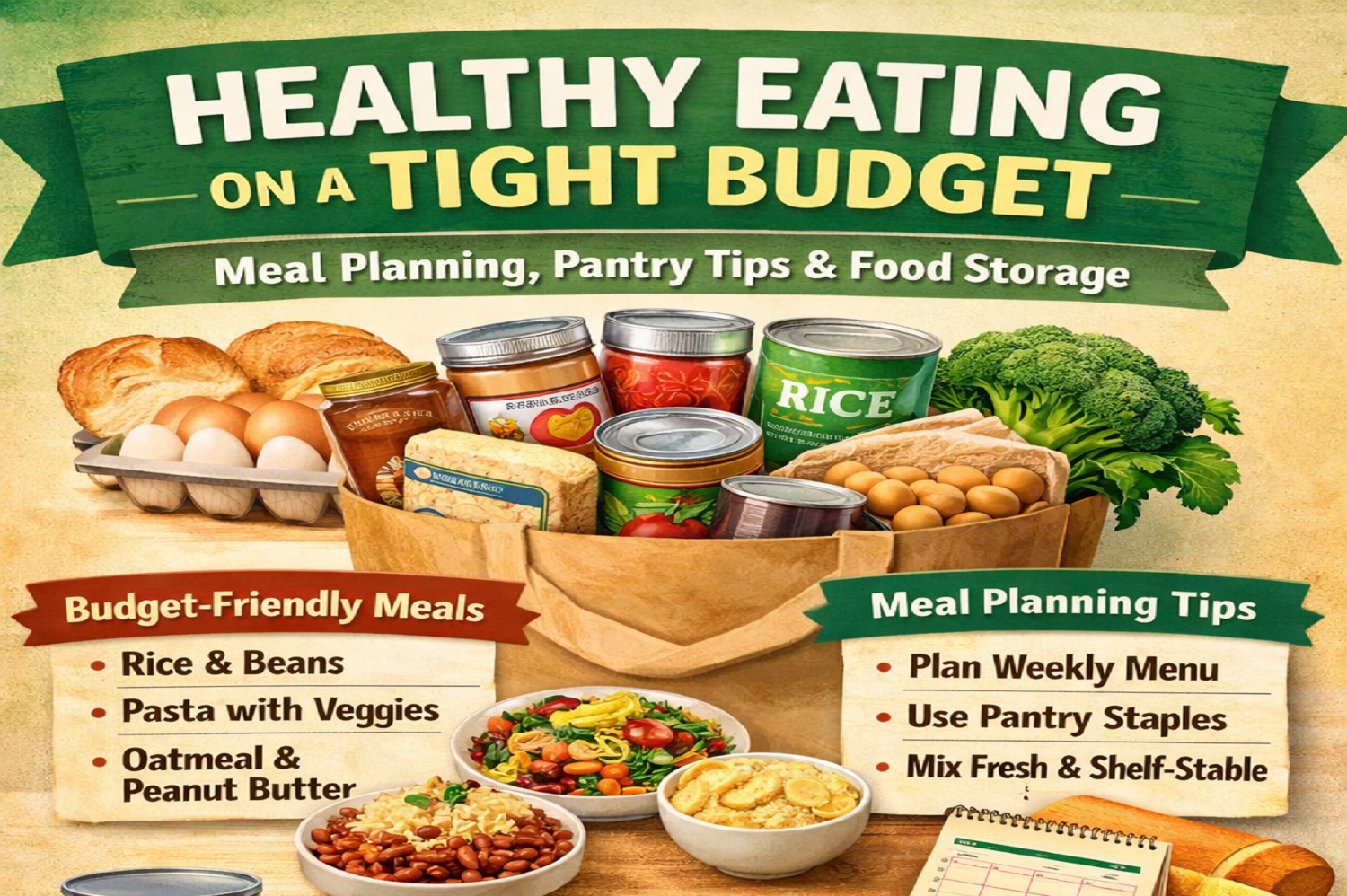
- Meal plan — stretch ingredients across several meals.
- Store safely — check expiration dates and freeze extras.
👉 Scenario: Chris in Illinois used rice, beans, and canned tomatoes from the pantry to make chili that lasted three dinners for his family.
Overcoming the Stigma
Many first-time visitors worry about being judged. Remember:
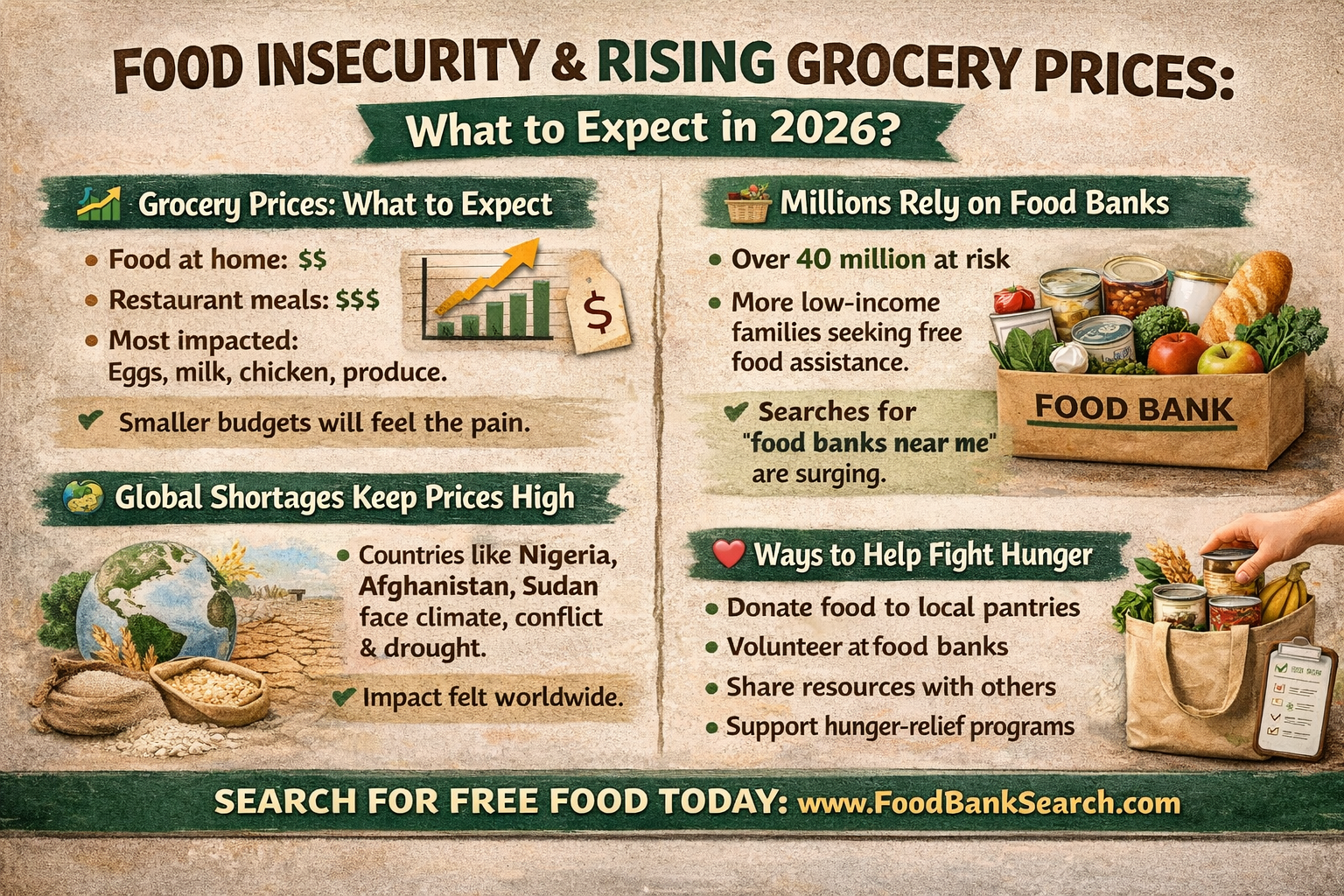
- Food insecurity affects millions — from working parents to retirees.
- Food banks exist for community support — not charity handouts.
- Volunteers are compassionate — they’re there to help, not judge.
👉 Scenario: Samantha, a teacher’s aide, felt embarrassed until she saw her neighbor volunteering. She realized food banks are simply another way communities care for each other.
Additional Resources Available
- SNAP (food stamps) application help
- WIC (for women, infants, and children)
- Meal programs or soup kitchens
- Job training and financial counseling
Final Thoughts
Your first food bank visit might feel intimidating, but it’s an act of strength, not shame. Food banks are hubs of dignity, compassion, and support. Whether you visit once or regularly, know that you’re not alone — millions of Americans rely on them every year.
✨ Remember: Asking for help is a step toward resilience, not weakness.